World Bank Commends Gombe’s Livestock Transformation Efforts
…Describes State’s Innovation as a Promising Model for Livestock Development in Nigeria
The World Bank has once again commended the scale and impact of Gombe State’s livestock transformation efforts, particularly the ongoing revitalisation of the sector.
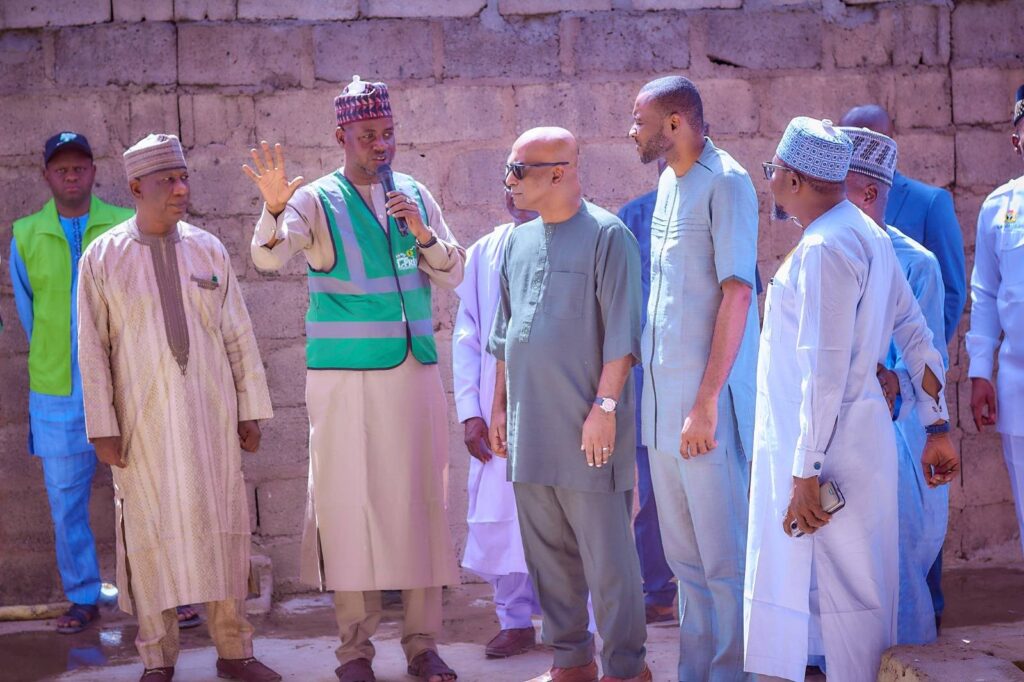
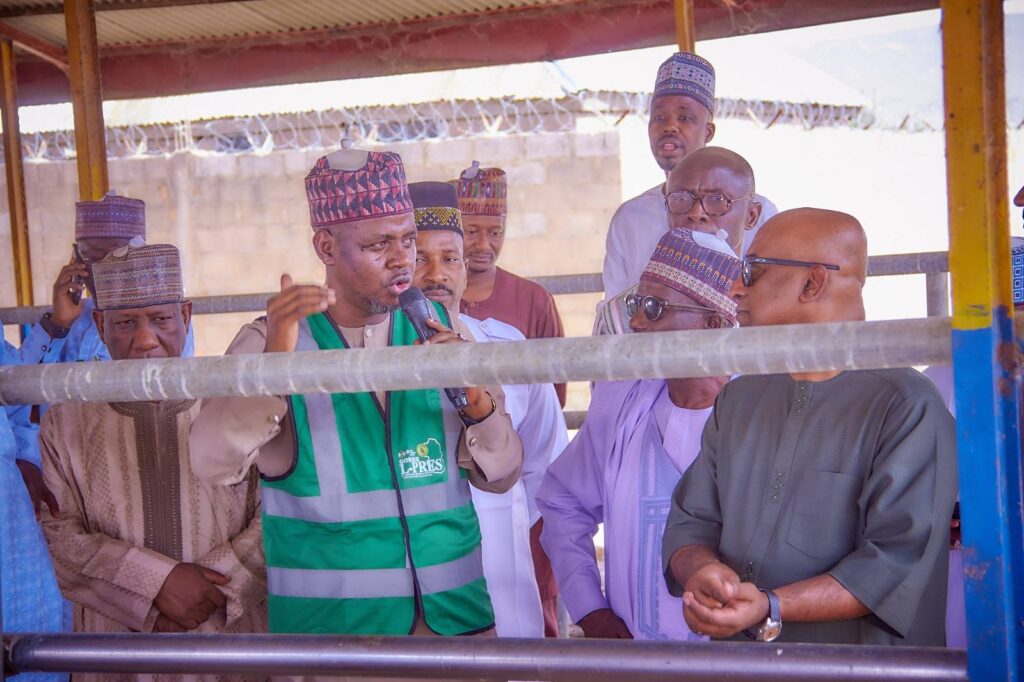
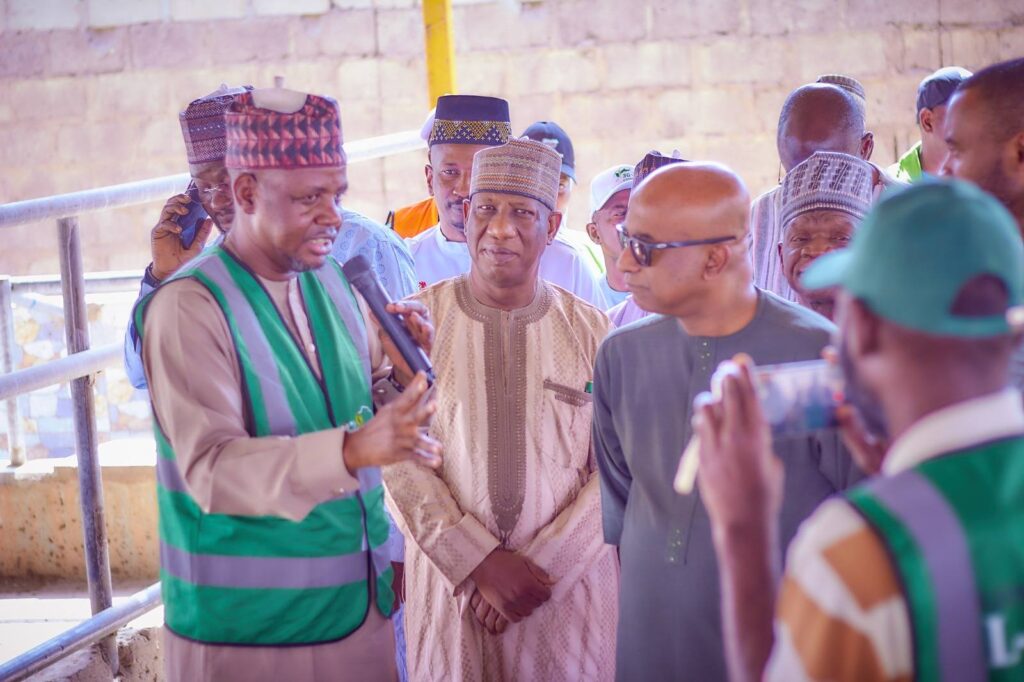
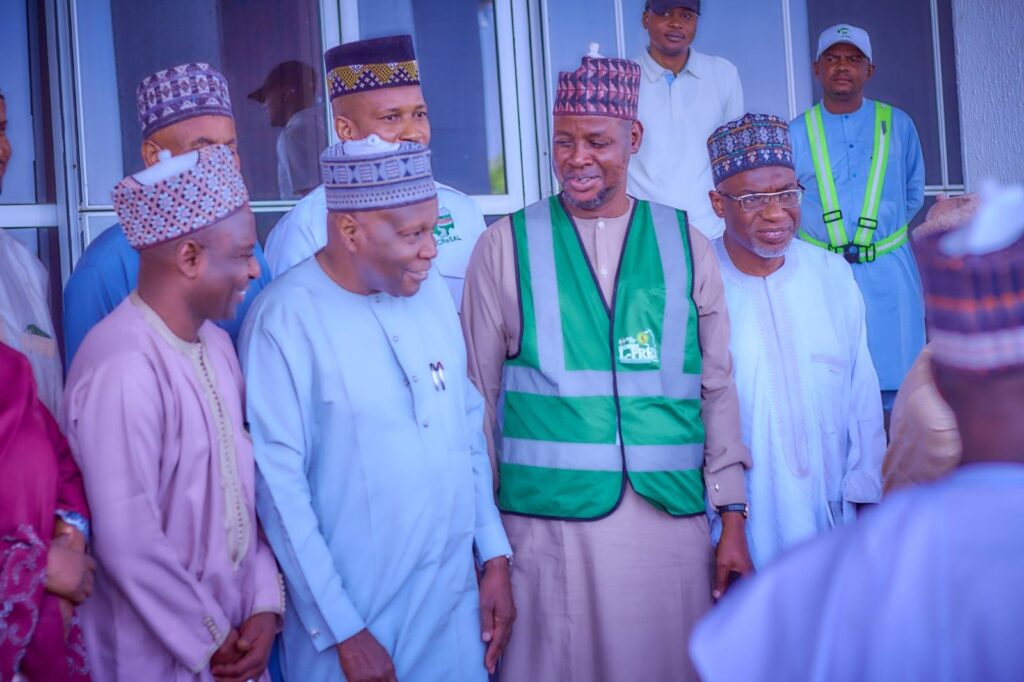
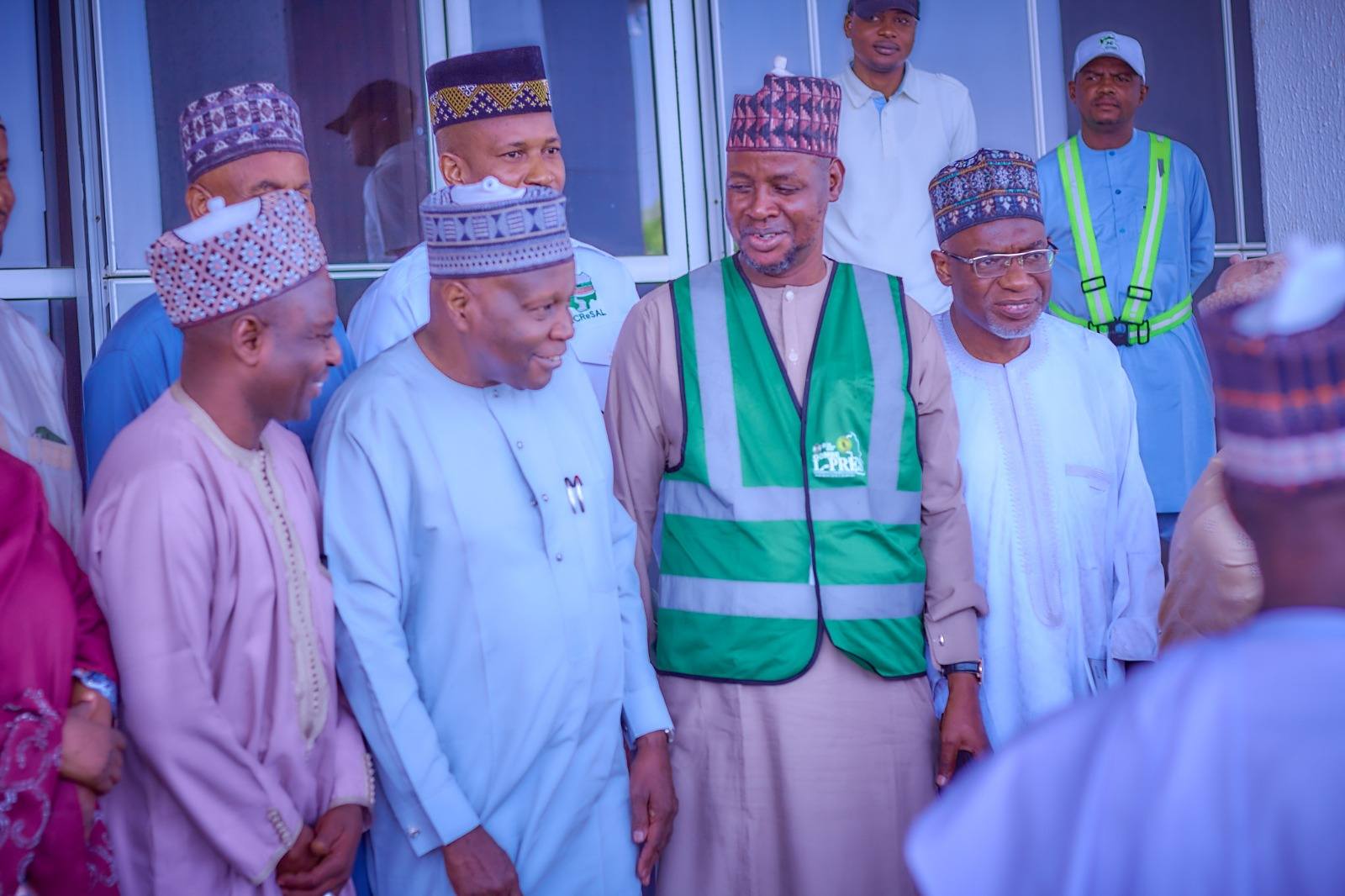
The Country Director for Nigeria, Mr. Matthew Verghis, gave the commendation during a visit to Dawaki Integrated Dairy Farms in Gombe, where he inspected key activities under the Livestock Productivity and Resilience Support (L-PRES) Project, including the Artificial Insemination (AI) programme being implemented in partnership with the state government.
Visibly impressed during the tour, the Country Director praised the innovation and early outcomes of the initiative, describing it as a promising model for livestock development in Nigeria.
“We are truly impressed by what we have seen. The L-PRES Project has played a significant role in advancing the modernisation of the livestock sector in Gombe State, making improved productivity a reality. This is only the beginning, and there is still much more to be done,” he said.
He further commended the commitment and political will of the Gombe State Government, assuring that the World Bank would continue to support transformative initiatives in the sector.
“I look forward to working closely with the Governor, the project team, and all stakeholders to build on this progress and take it to a more ambitious level, as clearly demonstrated by the strong commitment of the State Governor,” he added.
Earlier, while conducting the delegation round the facility, the State Project Coordinator of L-PRES, Professor Usman Bello Abubakar, explained that the Artificial Insemination programme is a flagship intervention aimed at improving cattle breeds for enhanced productivity, profitability, and resilience—particularly in the dairy subsector.
He noted that, in line with the World Bank’s evolving implementation approach, the project has actively engaged the private sector to ensure sustainability and efficiency in livestock development.
According to him, a reputable private firm was contracted for the programme, with improved semen imported from Brazil under clearly defined performance benchmarks.
“We set a minimum acceptable conception rate of 60 percent, but achieved an unprecedented 79 percent success rate—an outstanding milestone in the history of artificial insemination in Nigeria,” he disclosed.
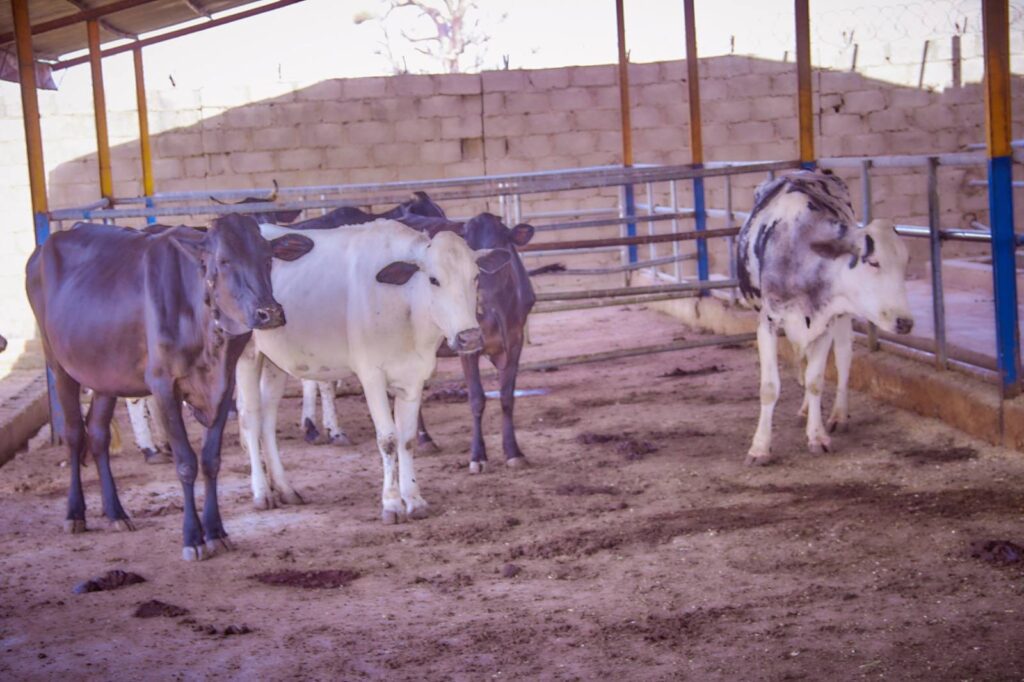
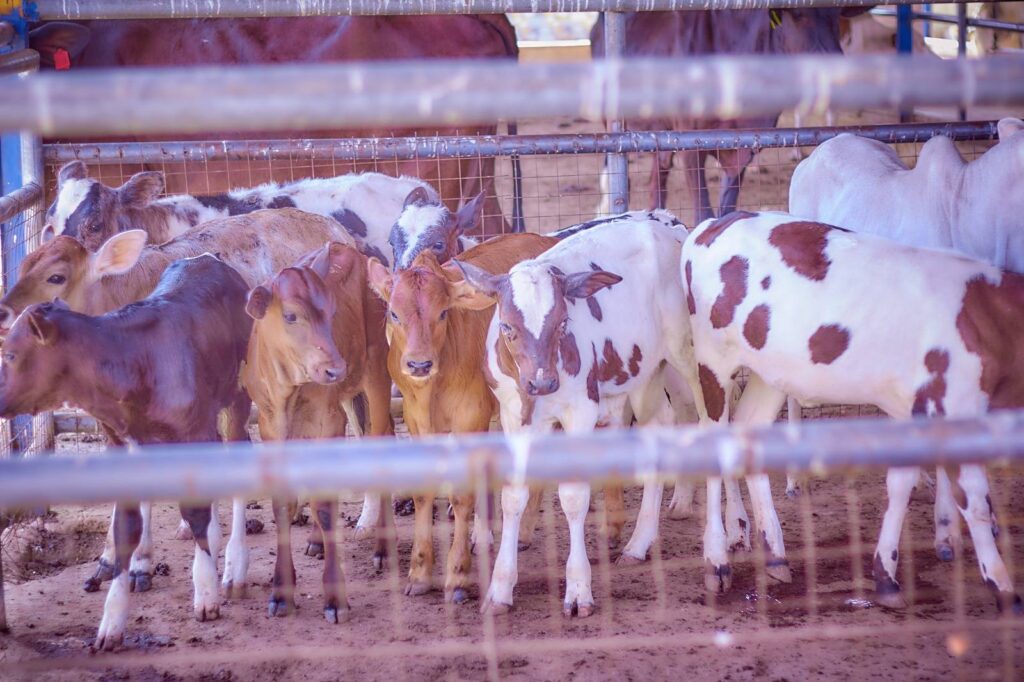
During the visit, the delegation witnessed a live demonstration of the artificial insemination process on two cows, which were re-inseminated just 40 days after calving. They were also shown several healthy calves—products of the first generation of the programme.
Professor Abubakar revealed that most of the calves are between three weeks and 40 days old, with a high proportion being female. He added that, upon maturity, they are expected to produce between 30 and 40 litres of milk daily.
He further disclosed that the project has established dairy cooperatives across the state, which will serve as the foundation for milk collection centres and, subsequently, a milk processing factory in the state capital to strengthen the dairy value chain.
In addition to dairy development, he said the project is making significant investments in the beef sub-sector, including the construction of an ultramodern automated abattoir and a tannery/leather processing facility to fully harness the economic potential of livestock in Gombe State and beyond.
Members of the visiting delegation included the Commissioner for Agriculture, Animal Husbandry and Cooperatives, Dr. Barnabas Musa Malle; Commissioner for Budget and Planning, Alhaji Salihu Baba Alkali; Commissioner for Finance, Alhaji Muhammad Gambo Magaji; Commissioner of Health, Dr. Habu Dahiru, Commissioner for Environment, Water and Forest Resources, Alhaji Sa’idu Muhammad Fawu; and the State Coordinator of ACReSAL, Dr. Sani Adamu Jauro, among other government functionaries.