Collaboration: Gombe L-PRES, College of Horticulture Dadin Kowa Partner to Enhance Animal Health and Production Technology.
4th Feb, 2024
The Gombe State L-PRES Project has expressed its strong interest in collaborating with the Federal College of Horticulture, Dadin Kowa, enhancing technical and expertise in animal health and production technology to improve the capacity of farmers within the state.
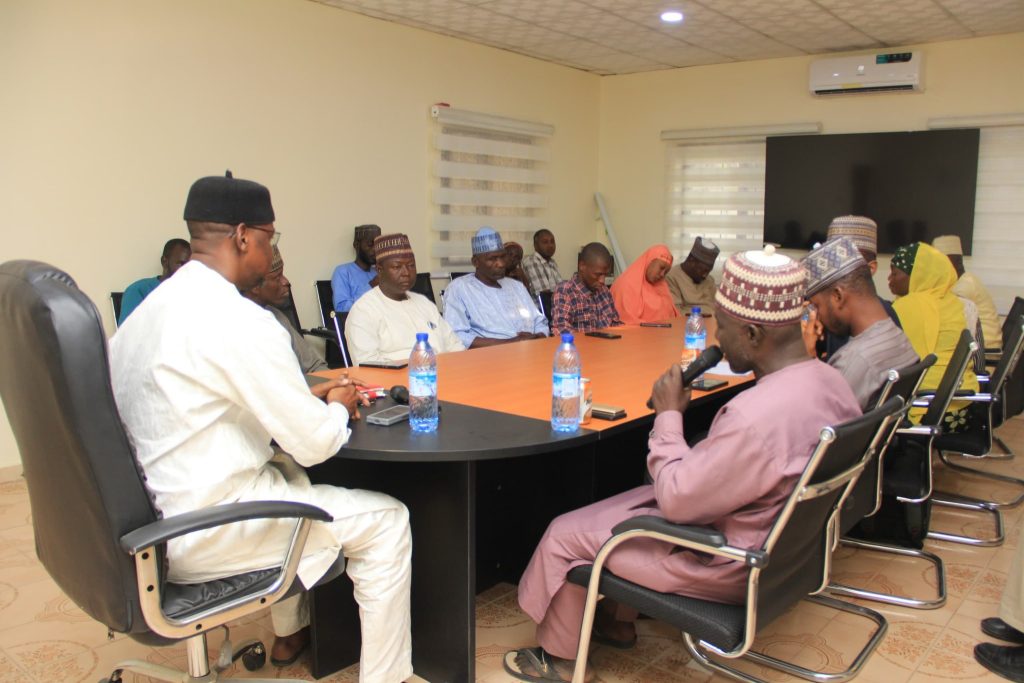
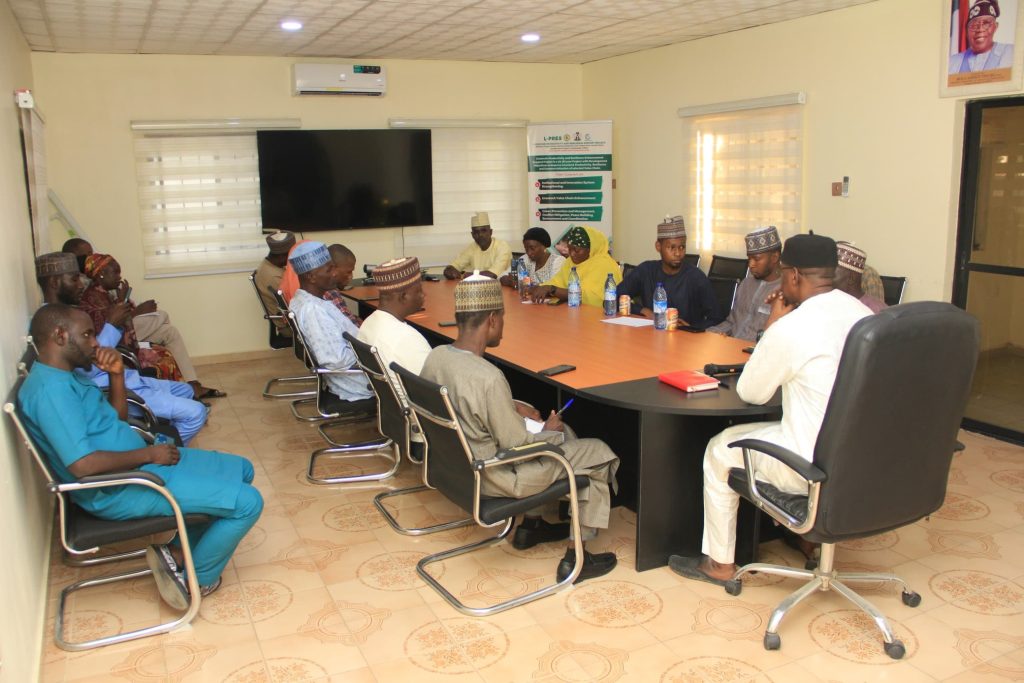
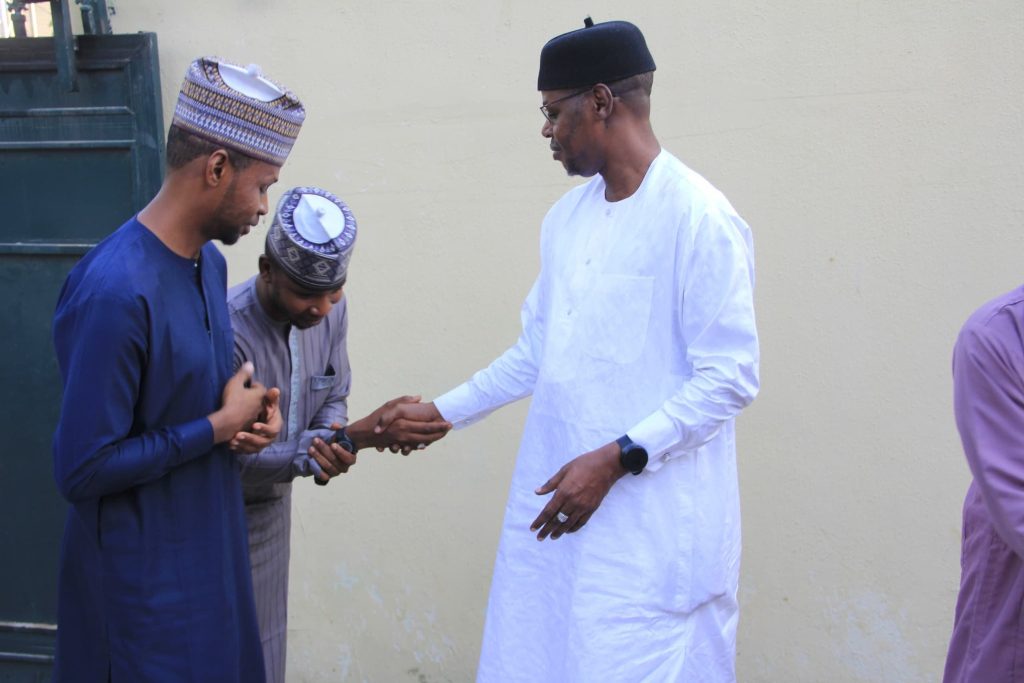
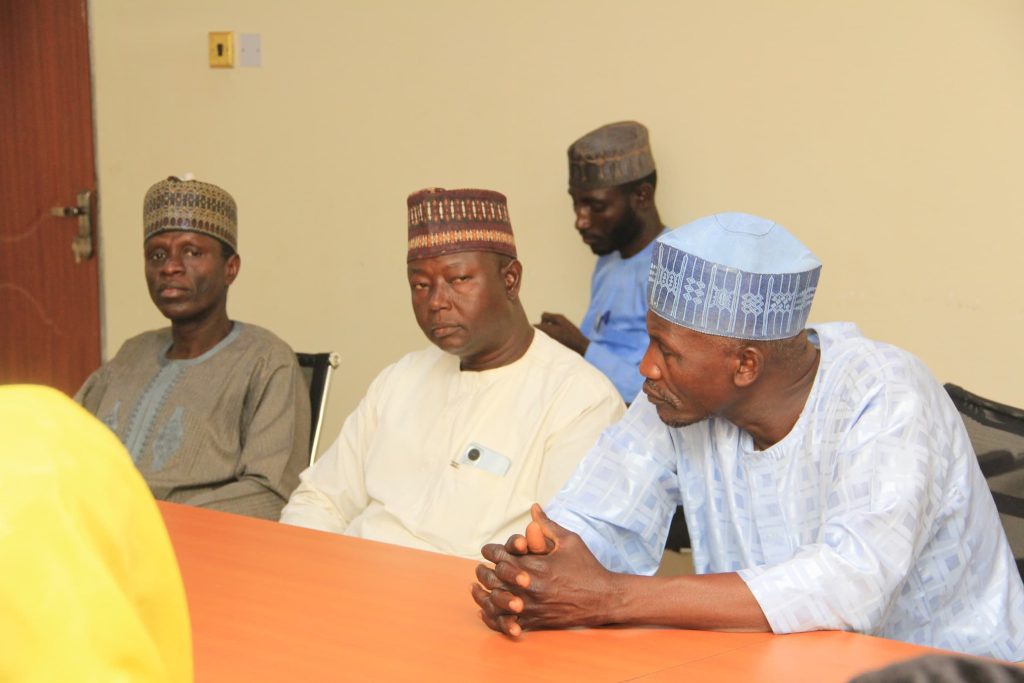
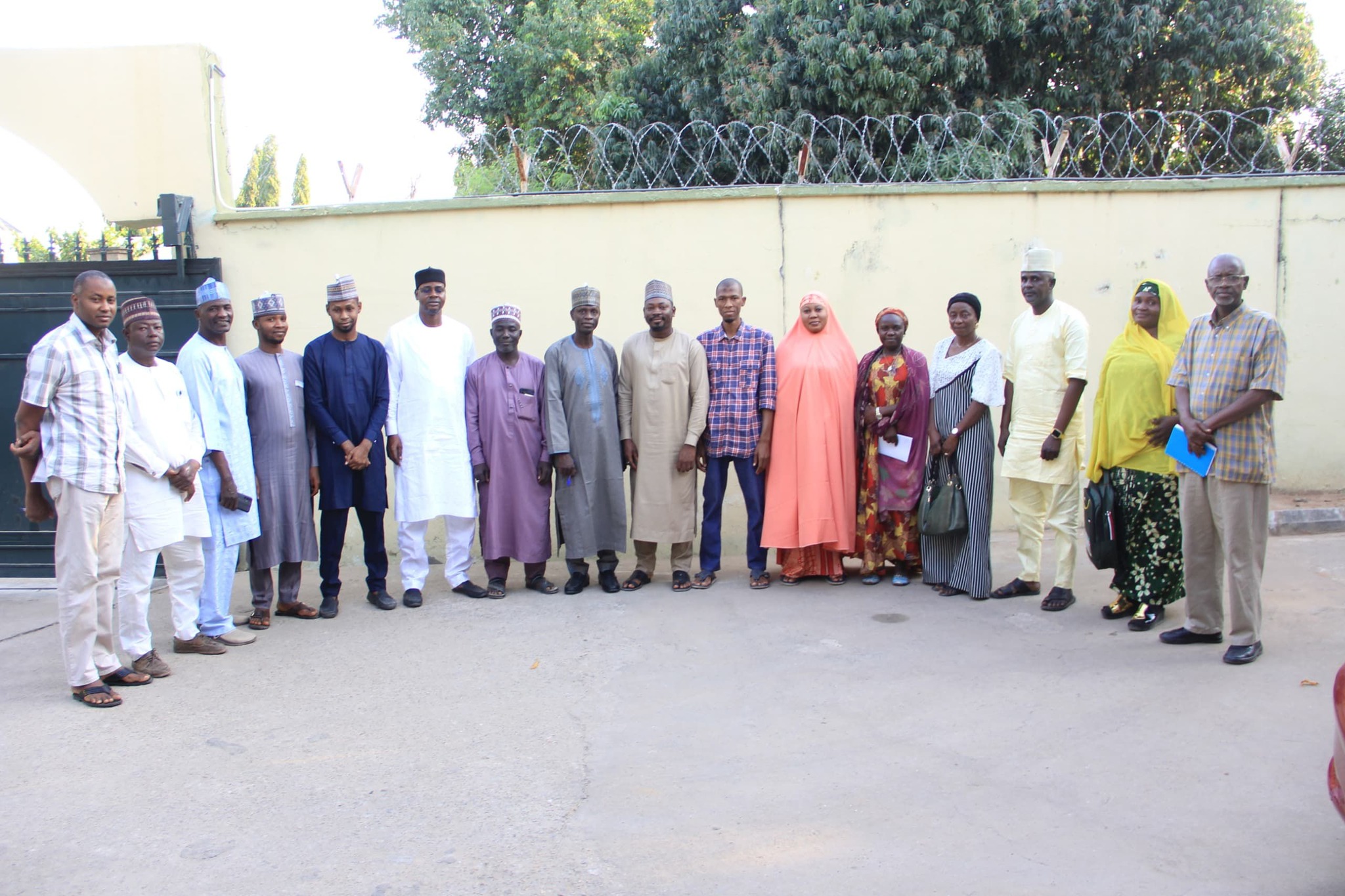
This commitment was expressed during a courtesy visit by staff from the College’s Veterinary Teaching and Research Clinic to the L-PRES Project Coordination Office in Gombe.
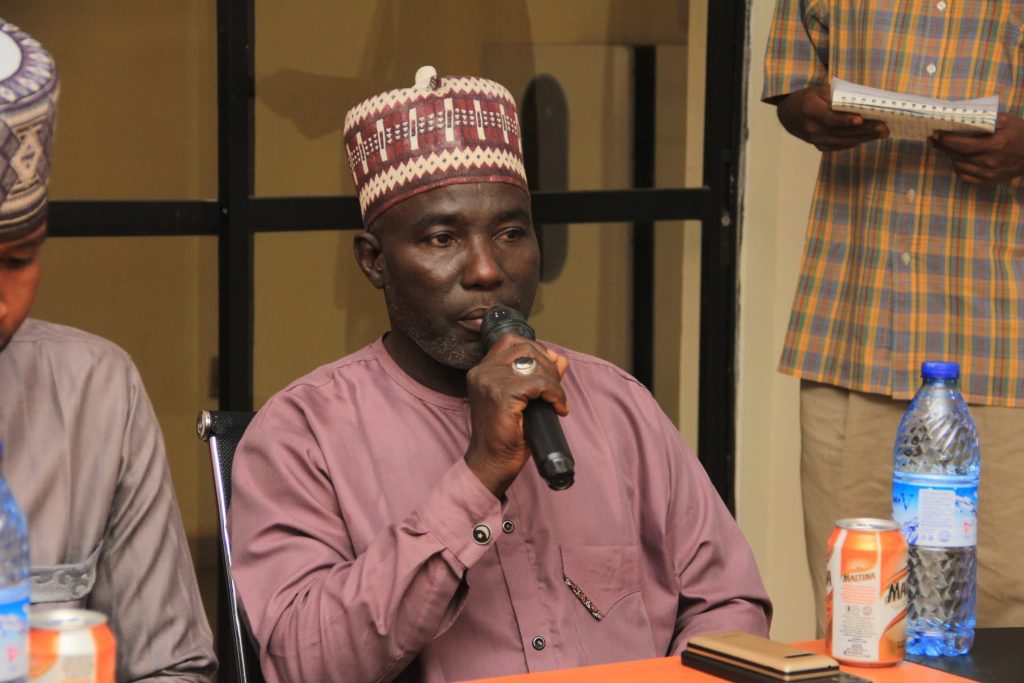
Receiving the team, Professor Usman Bello Abubakar, the Gombe State L-PRES Project Coordinator, warmly welcomed the visit, recognizing it as a significant step towards strengthening the link between theory and practical application.
He emphasized the crucial role of the Federal College of Horticulture Dadin Kowa, stating, “This is the first institution of its kind in the region, and its expertise in training competent personnel for animal health and production is invaluable.”
Professor Abubakar highlighted the college’s regional significance in advancing livestock development, particularly in capacity building for the next generation of agricultural professionals.
He emphasized the importance of practical learning and proposed a collaborative approach: “Recognizing the importance of practical experience, we believe it is appropriate to strengthen this relationship by including the college farm in our artificial insemination initiative. This will not only enhance the college’s training capabilities but also provide students with valuable hands-on experience.”
Regarding the request for collaboration, Professor Abubakar outlined the L-PRES Project’s readiness to work with the institution towards improving and modernizing the livestock sector.
He stated, “This partnership presents a significant opportunity for both the Gombe L-PRES Project and the College of Horticulture, Dadin Kowa. Let us work together to equip our youth with the necessary knowledge and skills to address the challenges and problems facing the livestock sector.”
He recommended further discussions to finalize the areas and modalities of the partnership, adding, “The L-PRES Project is committed to supporting the institution in any way possible, including in areas of Feed and Feeding, Pasture development, Veterinary training and services, and other relevant areas,” assuring that the project is dedicated to supporting not only the students but also the staff in building their capacities.
Professor Abubakar used the visit to push for the need of modernizing the livestock sector. “While the world has made significant strides in modernization, our society still lags behind in certain aspects. The L-PRES Project is committed to changing this narrative and making animal husbandry a profitable business.”
He informed the visitors of the project’s ambitious efforts to establish an Ultra-modern Abattoir, an International Livestock Market, a Tannery, and a Dairy Factory to create job opportunities and drive business development.
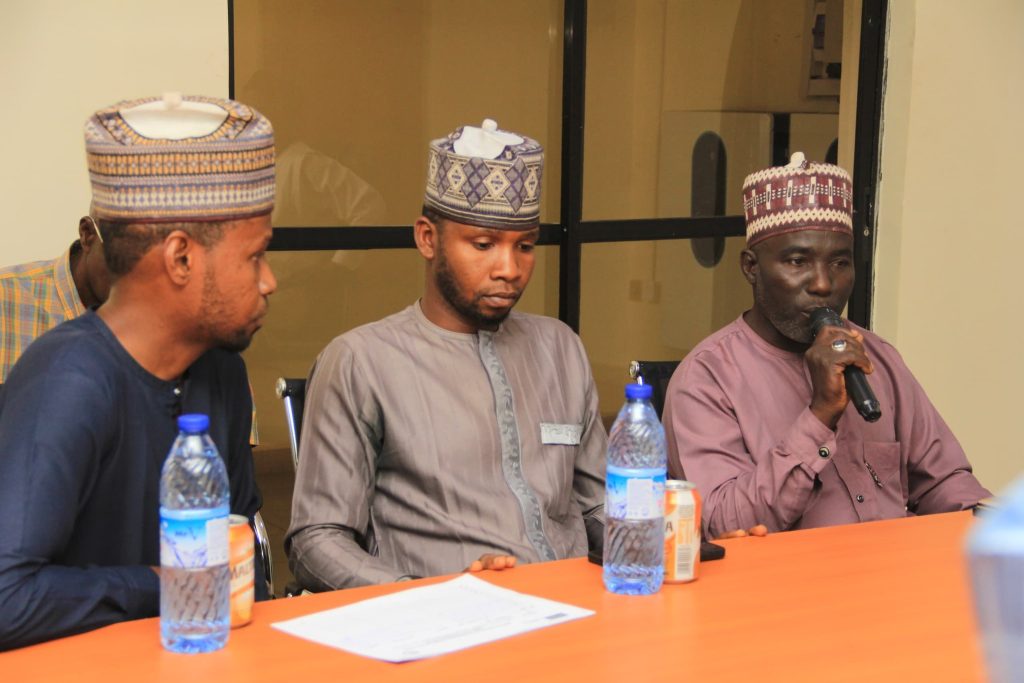
Earlier speaking, Dr. Hassan Madu Kamti, Team Lead from the Veterinary Teaching and Research Clinic of the college, commended the appointment of Professor Usman Bello Abubakar by Governor Muhammadu Inuwa Yahaya and expressed appreciation for the L-PRES Project’s interventions in modernizing and commercializing livestock farming in Gombe State.
Dr. Madu also extolled the L-PRES Project’s intervention in conducting Artificial Insemination on local cows at the school farm, explaining that it would significantly enhance the institution’s teaching, training, and capacity building efforts.
He sought the support and collaboration of the L-PRES Project towards advancing the college’s capacity in animal health and production technology to contribute to a modern livestock sector.
By leveraging the strengths of both the Gombe L-PRES Project and the Federal College of Horticulture, Dadin Kowa, this partnership has the potential to drive innovation, improve livelihoods, and contribute significantly to the economic growth of Gombe State.