Gombe L-PRES Upgrades Farmer Field Schools for Enhanced Livestock Production
In a collaborative effort to boost livestock production and enhance food security in Gombe State, the State Government, in partnership with the World Bank-Assisted L-PRES Project, is set to rehabilitate and upgrade three key Farmer Field Schools (FFSs) located across the three senatorial zones of the state.
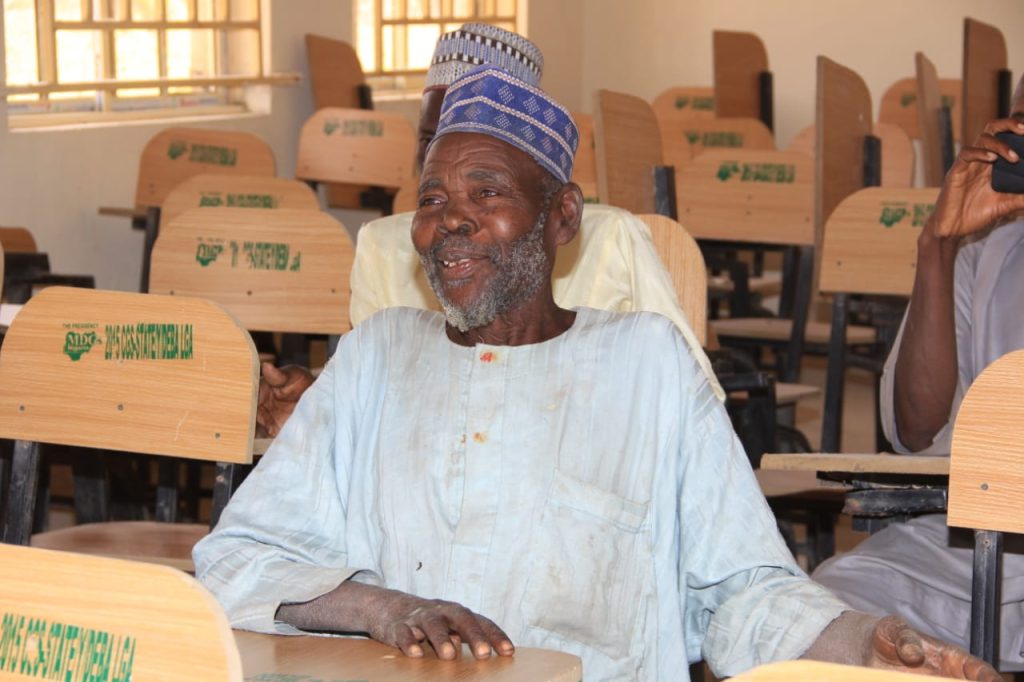
These strategically located Farmer Field Schools, situated in Kupto (Funakaye LGA), Wajari (Yamaltu Deba LGA), and Ladongor (Billiri LGA), will serve as vital hubs for training farmers in modern livestock management and best practices. These upgraded FFSs will serve as vital hubs for training farmers in modern livestock management practices.
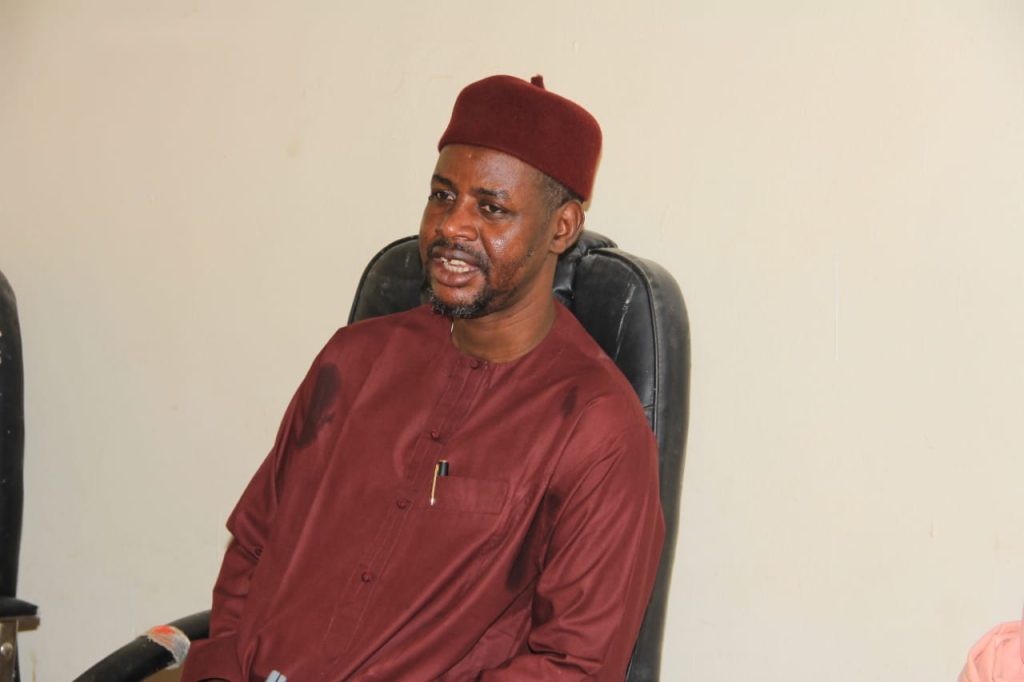
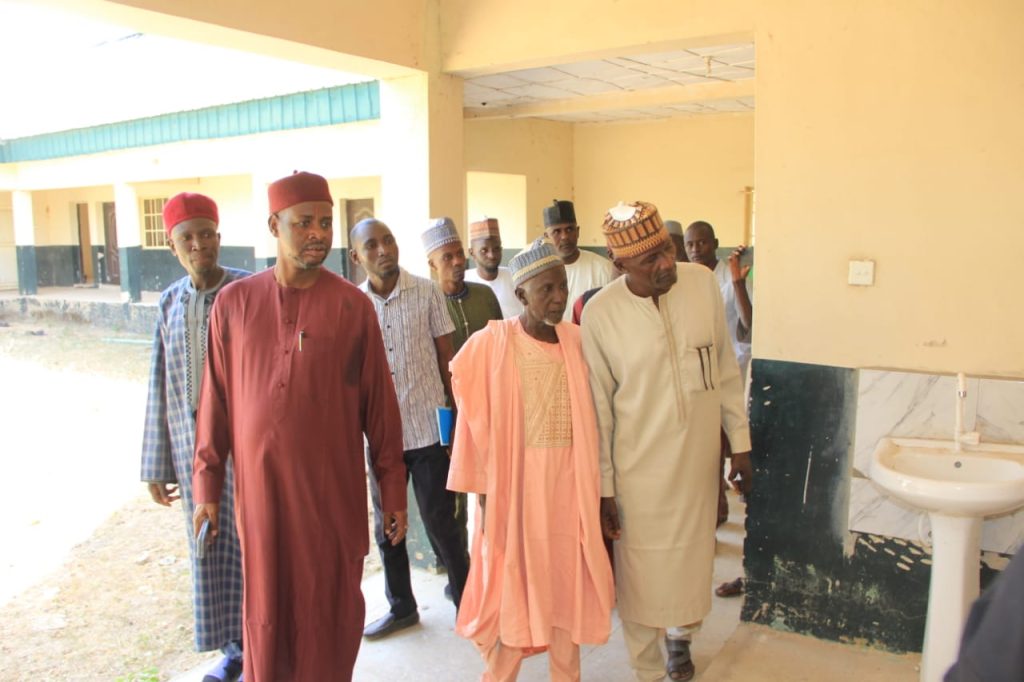
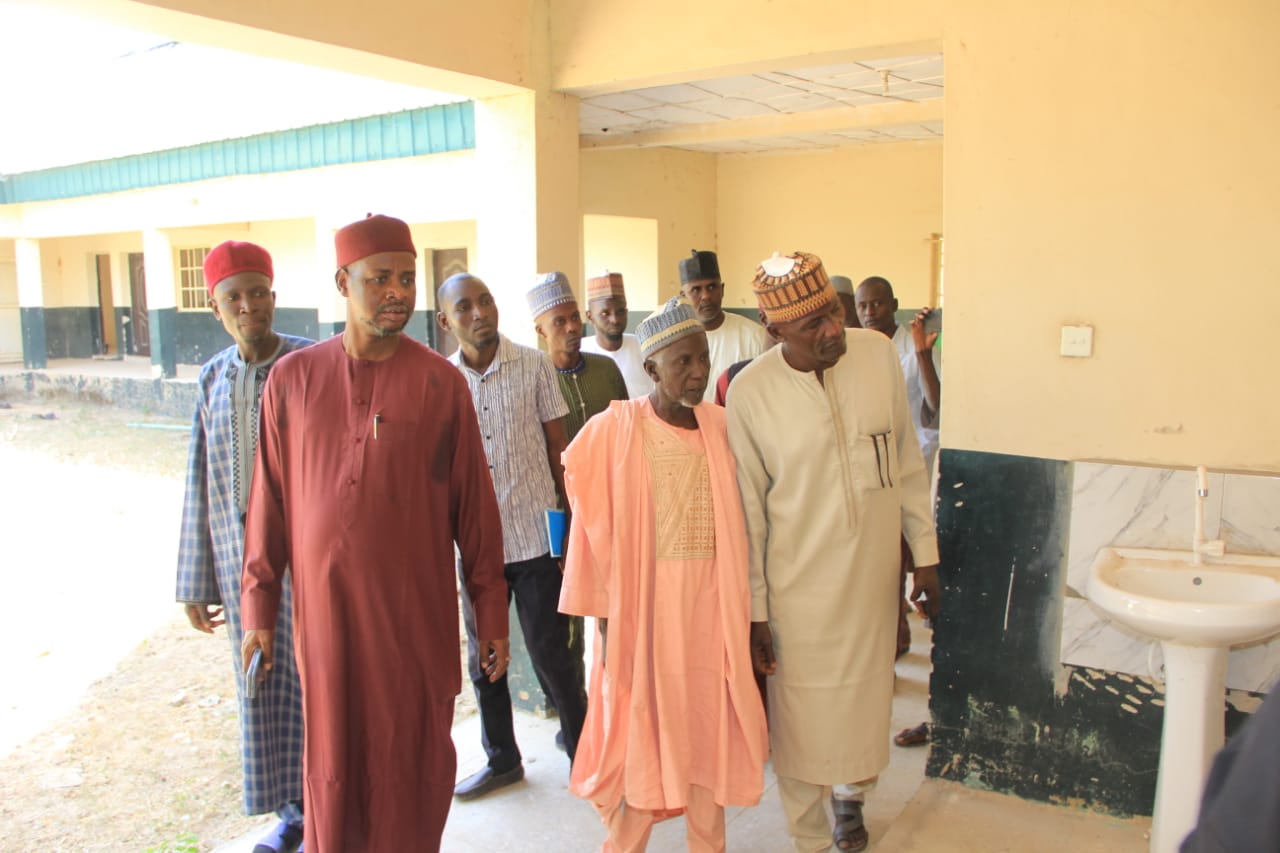
Recognizing the critical challenges faced by livestock farmers, including climate change impacts, disease outbreaks, limited access to quality inputs, and market constraints, the Gombe State L-PRES Coordinator, Professor Usman Bello Abubakar, emphasized the crucial role of these centers during a recent site visit to Wajari, Yamaltu Deba LGA.
“The Farmer Field Schools will equip farmers with the necessary knowledge and skills to overcome these challenges and improve their individual and community livelihoods.
“These centers will include livestock pens for cattle, sheep, and goats, as well as poultry pens, to demonstrate improved animal husbandry practices, such as proper feeding, hygiene, and disease prevention”, he added.
Furthermore, the project will establish Forage Plots to demonstrate the cultivation and management of improved fodder crops for livestock and designate specific areas for pasture management demonstrations.
In addition to providing the necessary infrastructure and facilities, L-PRES will ensure the deployment of highly qualified facilitators and professionals to deliver comprehensive training programs.
“We are committed to inclusivity, ensuring that youth and women are actively engaged in all aspects of the program,” the State Coordinator stressed. “We will further implement effective strategies to ensure the long-term sustainability of this initiative.”
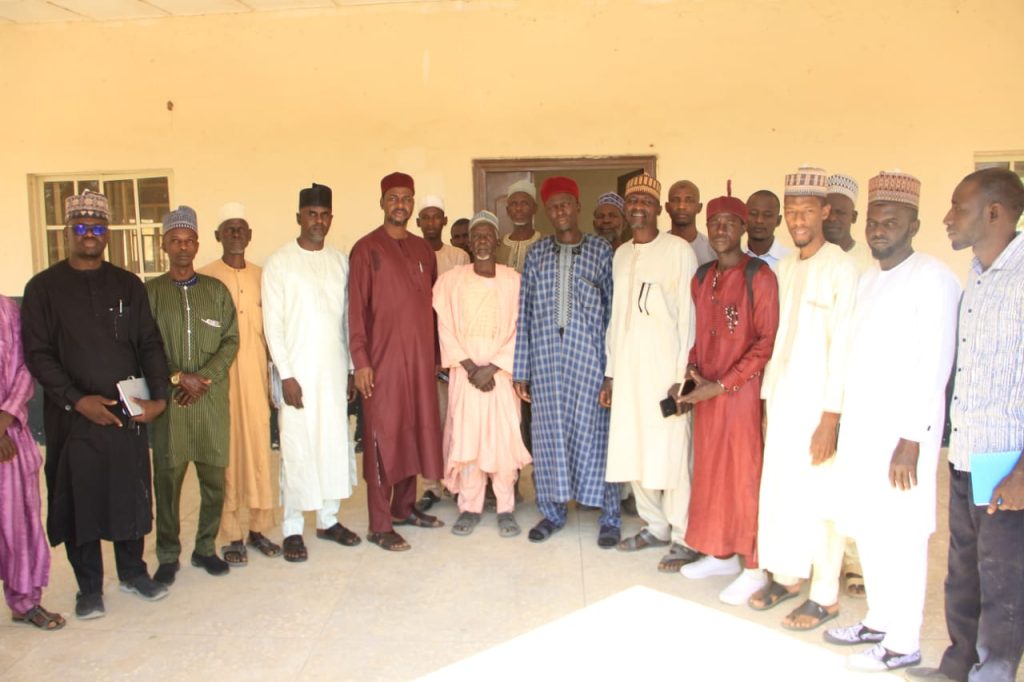
To ensure the long-term success of the upgraded FFSs, the L-PRES Project prioritized community ownership. Prior to rehabilitation, extensive stakeholder engagement sessions were conducted with community leaders, livestock farmers, youth groups, women’s organizations, and other stakeholders to promote active community participation in in the management and sustainability of the FFSs.
The rehabilitation and upgrade of these Farmer Field Schools will serve as a crucial component of the project’s broader efforts to modernize livestock production and marketing in Gombe State.
The Coordinator pointed out that these centers will play a pivotal role in providing comprehensive training and guidance to farmers as the project progresses, particularly in the implementation of ambitious initiatives such as artificial insemination and milk collection programs.
This initiative offers numerous benefits, including increased livestock production, improved animal health and welfare, enhanced food security for farmers and their families, and significant contributions to the overall economic growth and development of the Gombe State.