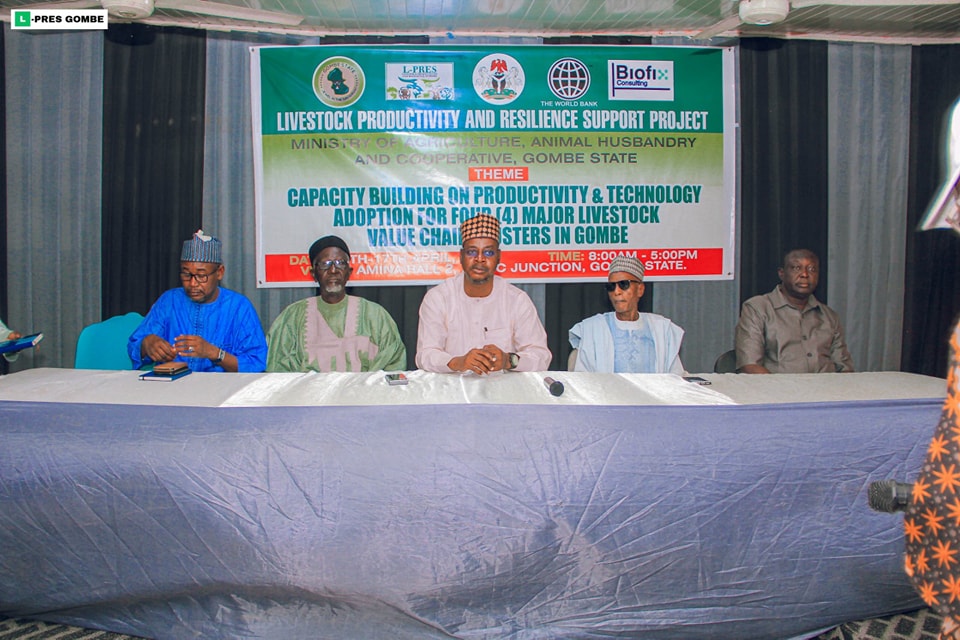
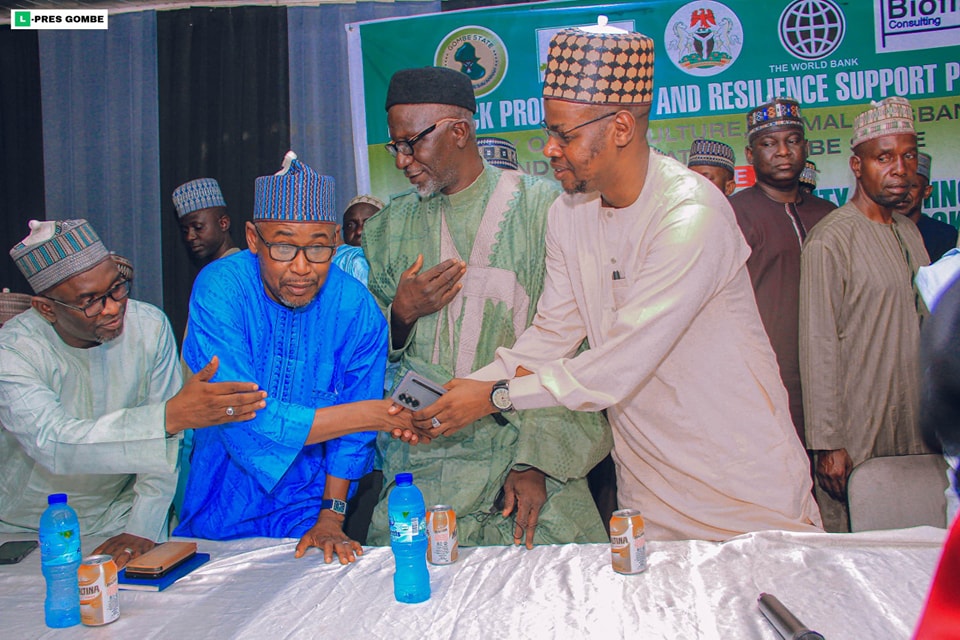
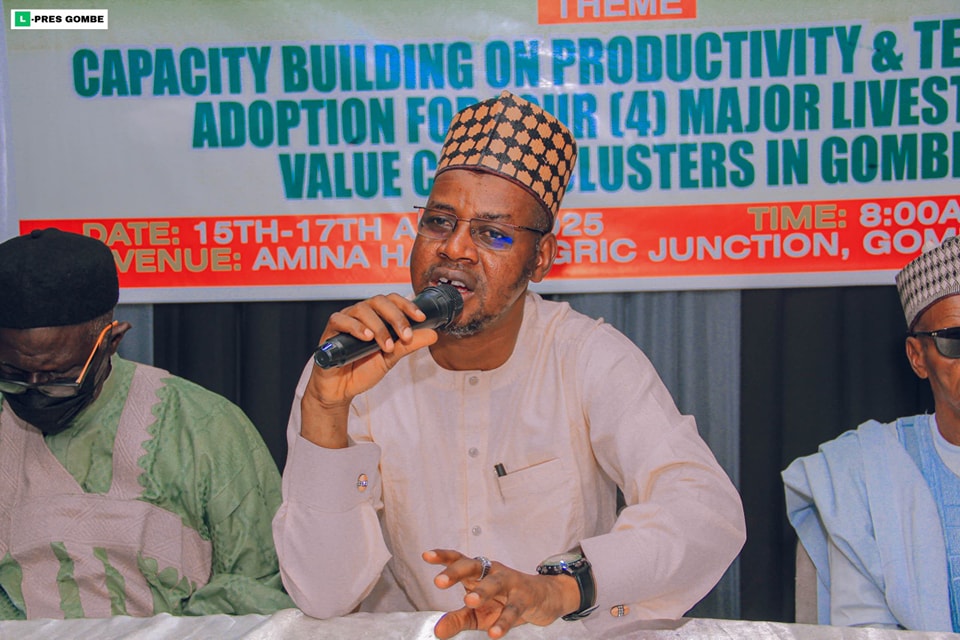
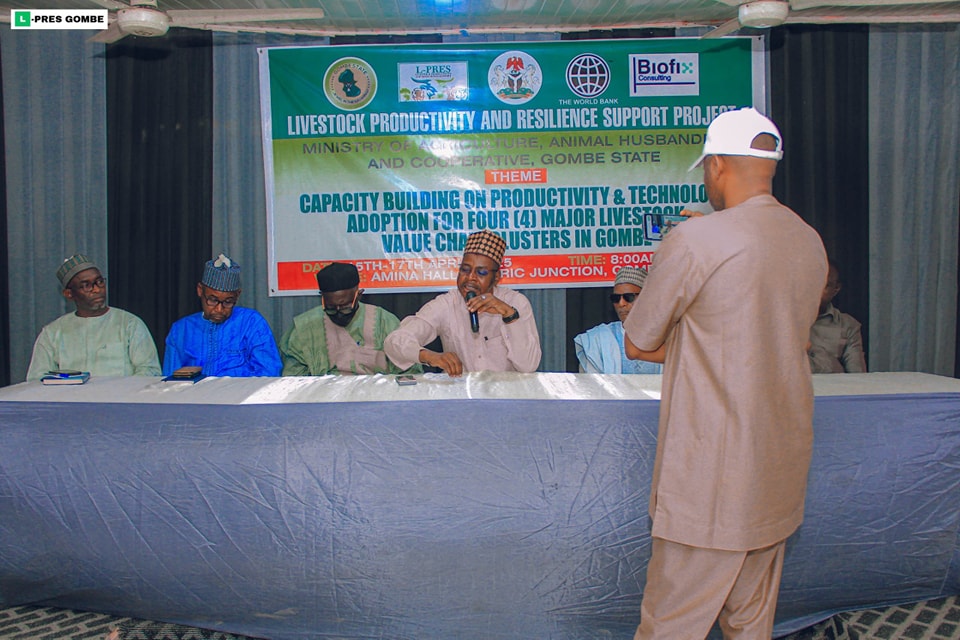
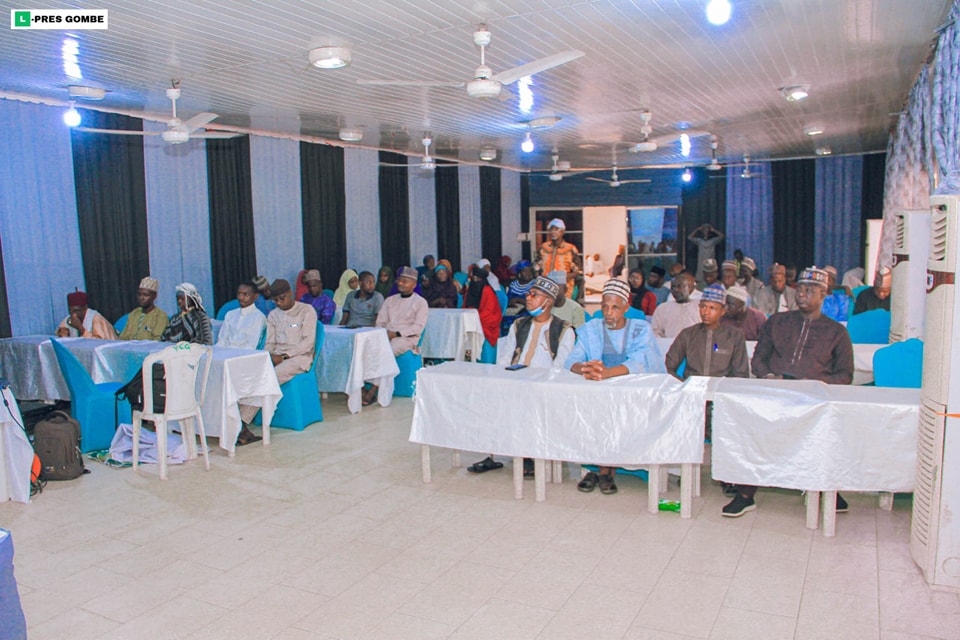
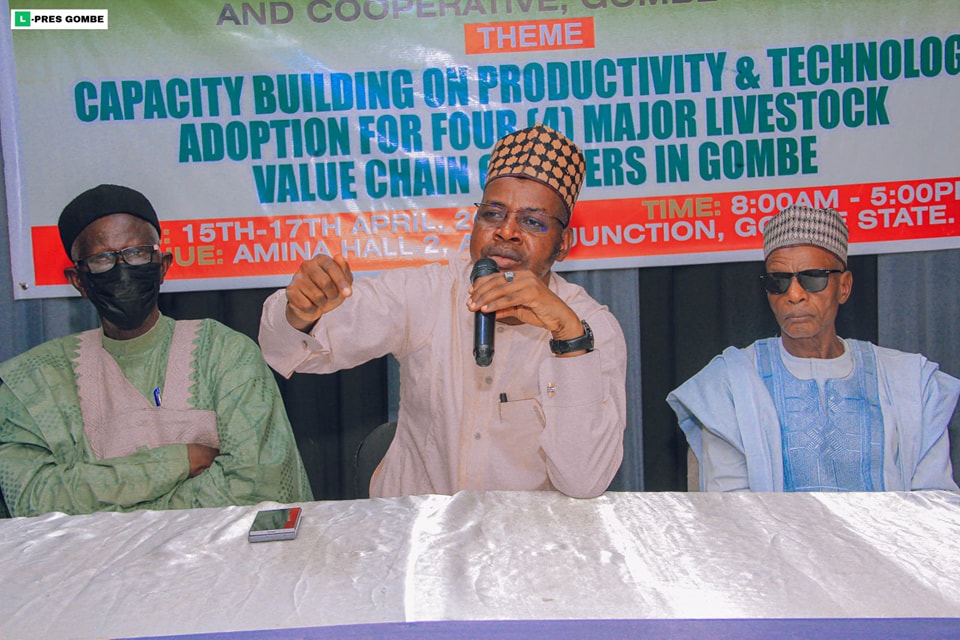
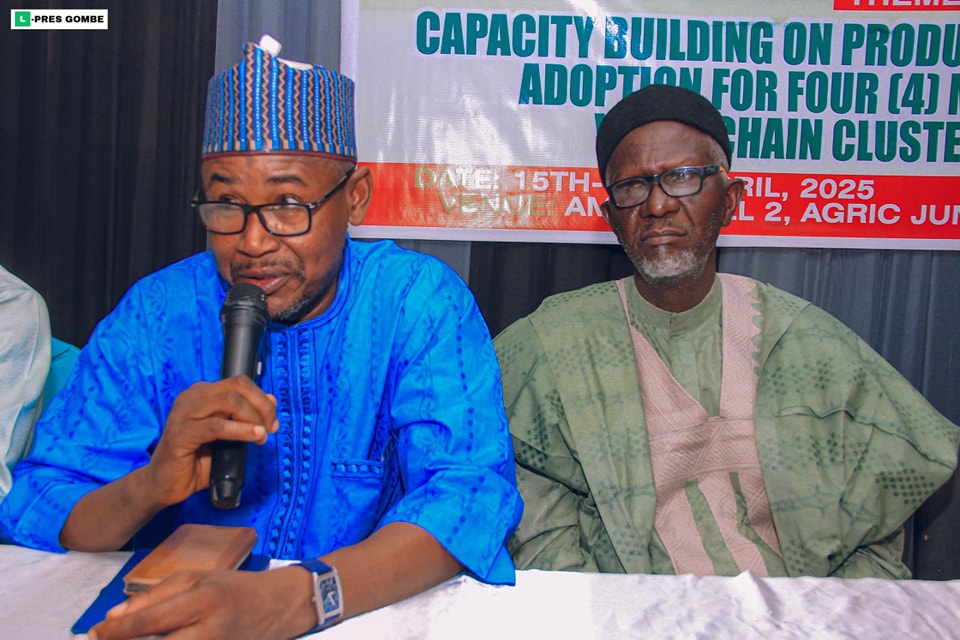
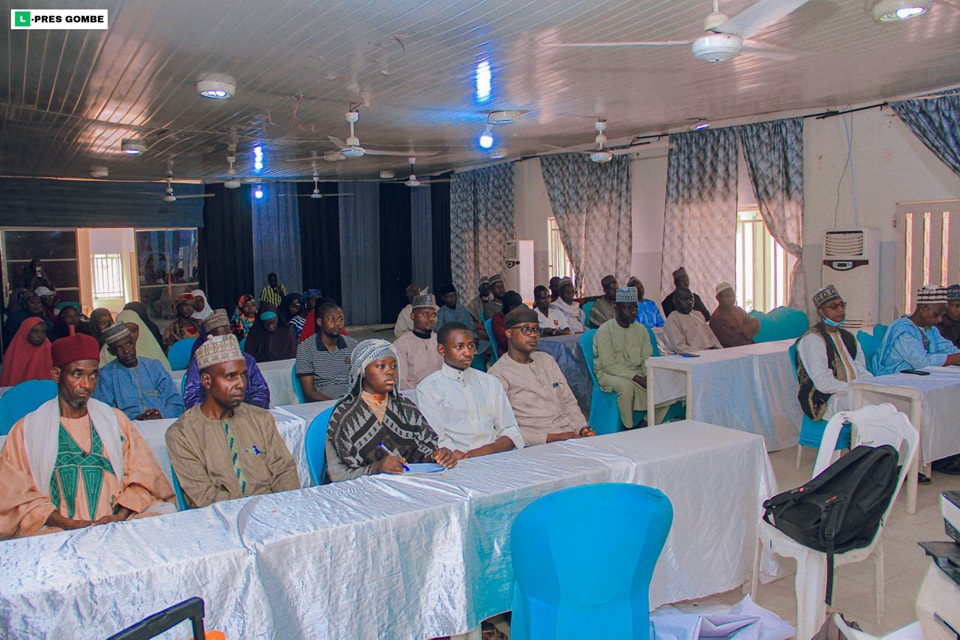
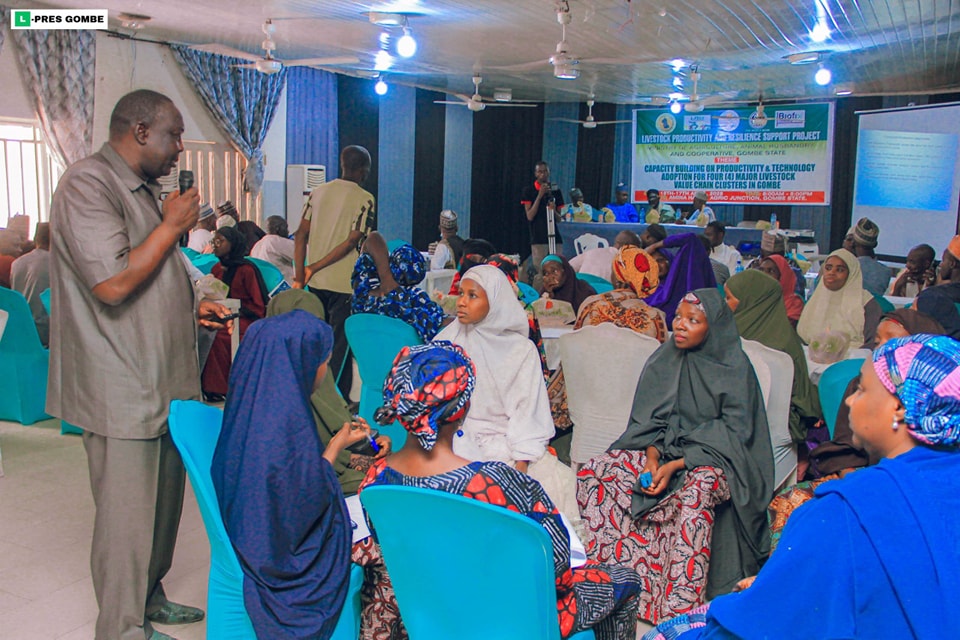
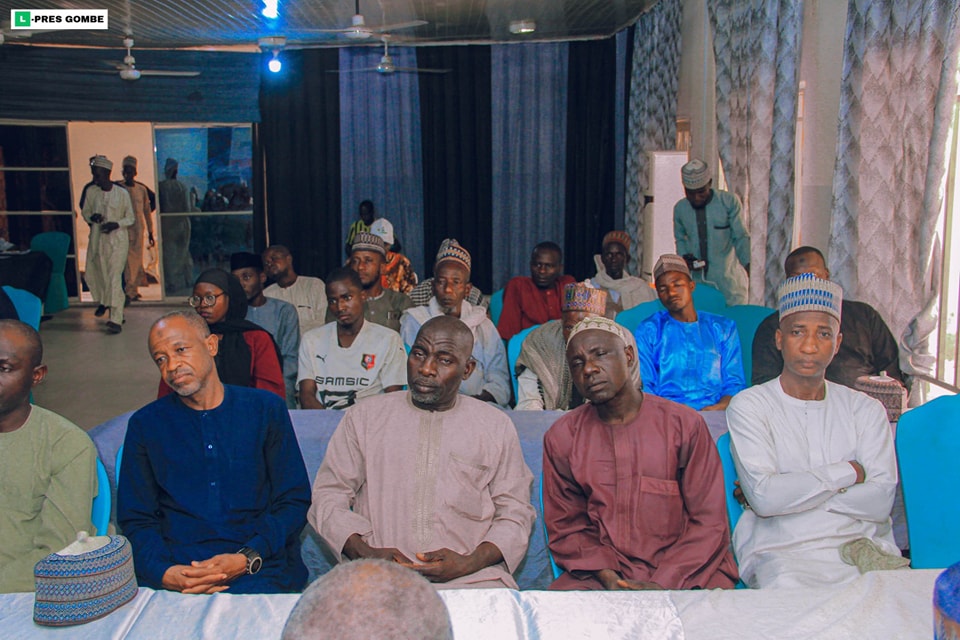
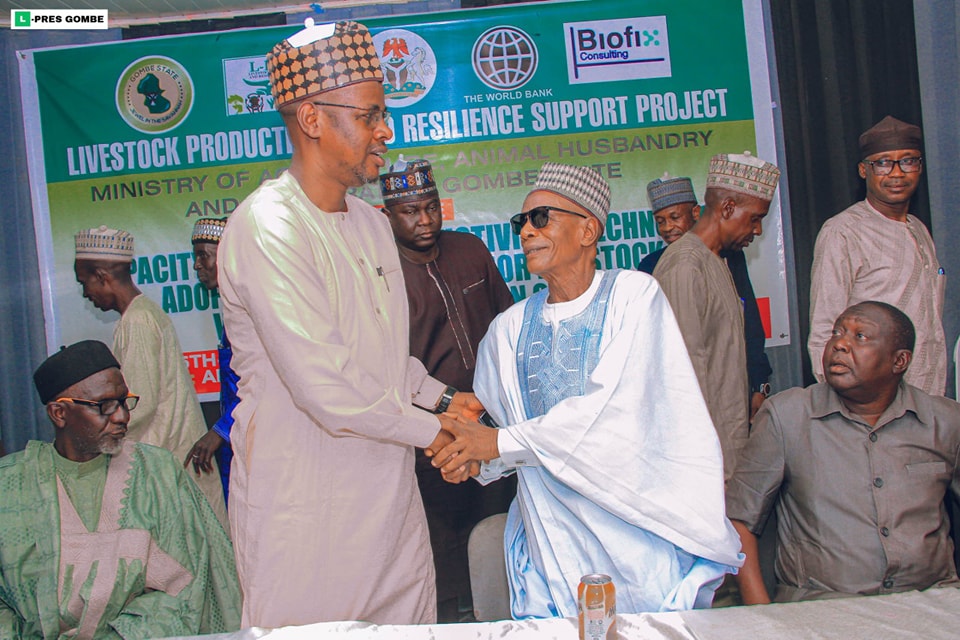
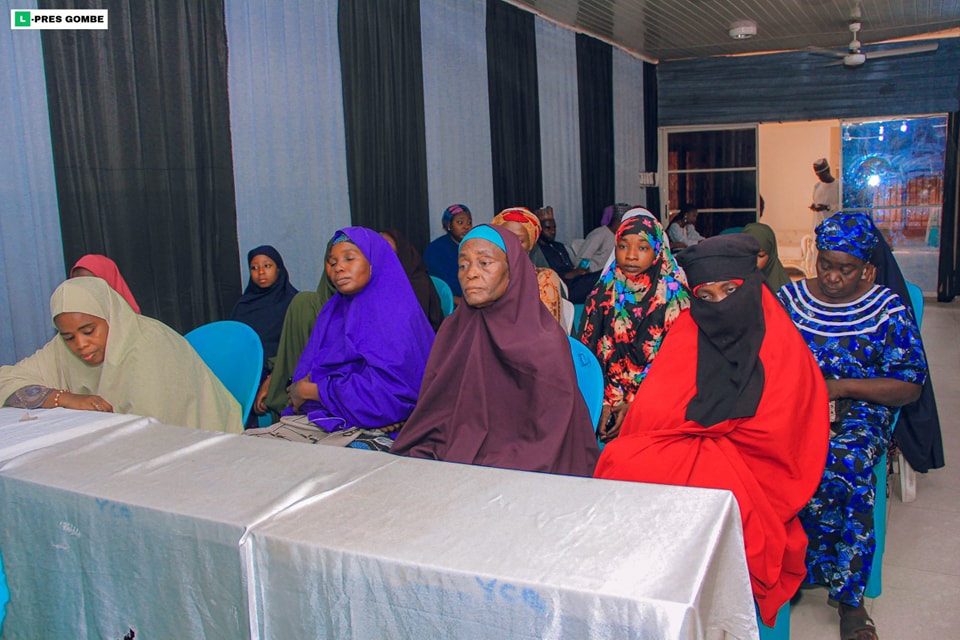
The Gombe State Livestock Productivity and Resilience Support (L-PRES) Project has trained 67 livestock farmers and value chain actors on the adoption of modern technologies to enhance productivity in four priority value chain clusters covering dairy, poultry, sheep and goat, and beef production.
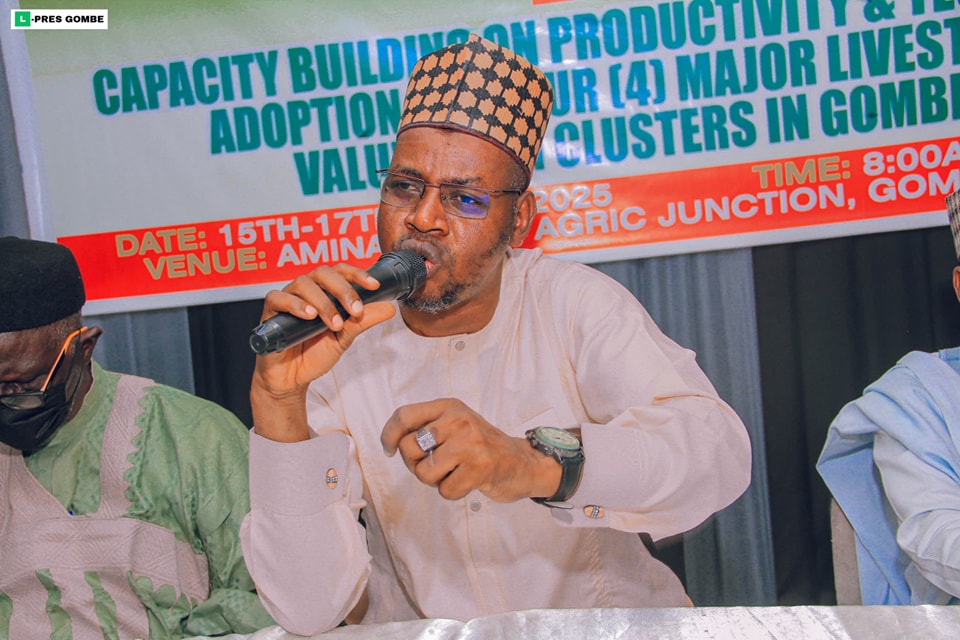
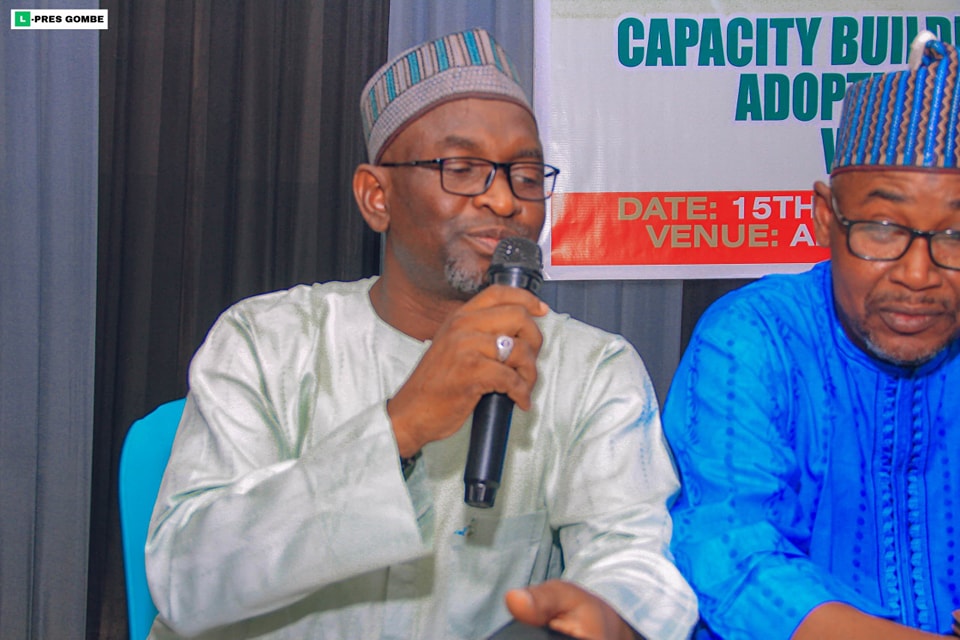
Speaking at the opening session of the training held in Gombe, the State Project Coordinator, Professor Usman Bello Abubakar, stressed the significance of embracing innovation and modern practices to improve efficiency, productivity, and profitability within the livestock sector.
“In recognition of the potential and profitability of dairy production, the Gombe State Government, under the L-PRES Project, selected dairy as one of its major value chain clusters. We have since introduced artificial insemination to improve milk yield and enhance dairy output,” Prof. Abubakar stated.
He explained that poultry, sheep and goat, and beef production were also prioritized under the project in line with the state’s plan to establish an ultra-modern abattoir and an international livestock market. These interventions are aimed at boosting commercialization and value addition within the sector.
Prof. Abubakar urged livestock farmers to take full advantage of the opportunities presented by the project, noting that significant investments have been made by the state government through L-PRES to revitalize the sector, which had long suffered neglect. These include the rehabilitation of livestock infrastructure in Kashere, Lalaipido, and Bajoga, and the construction of live bird markets in Talasse (Balanga LGA), Kwadon (Yamaltu Deba LGA), and Kurugu (Kwami LGA).
He further disclosed that over 100 solar-powered boreholes have been drilled in livestock farming communities and several earth dams, including two in Wawa Zange, have been rehabilitated to address water scarcity for both human and animal needs.
“These interventions are geared toward improving productivity and ensuring better livelihoods for livestock farmers and rural communities,” the coordinator added. “With over 55 milk collection centres already established and a growing number of livestock undergoing embryo transfer, Gombe is taking the lead in modern dairy production.”
The project has also trained farmers on pasture development and distributed forage seedlings to improve animal nutrition—a key factor in modern livestock farming.
Delivering the technical sessions, Professor Lawan Adamu from the University of Maiduguri led discussions on modern poultry farming practices and efficient feeding techniques aimed at maximizing yields and profit.
Training sessions covered key areas such as artificial insemination, livestock feed formulation, and the use of digital tools (such as tags and sensors) to monitor livestock performance—covering aspects like nutrition, health, movement, and security.
Professor Adamu underscored the importance of technology in livestock production, explaining that it empowers farmers with real-time insights to make informed decisions and navigate market dynamics for optimal gains.
The three-day training featured interactive group sessions, assignments, and Q&A discussions, all aimed at equipping participants with the knowledge and tools necessary to adopt cutting-edge practices in livestock production.